

Ancient stories. Modern lives. Familiar struggles.
The stories are ancient.
The people aren't.
Biblical narratives read for what they show about psychology, character, responsibility, and the way people actually behave when something is at stake.
No belief is required for the human questions to be interesting. None is argued against, either.
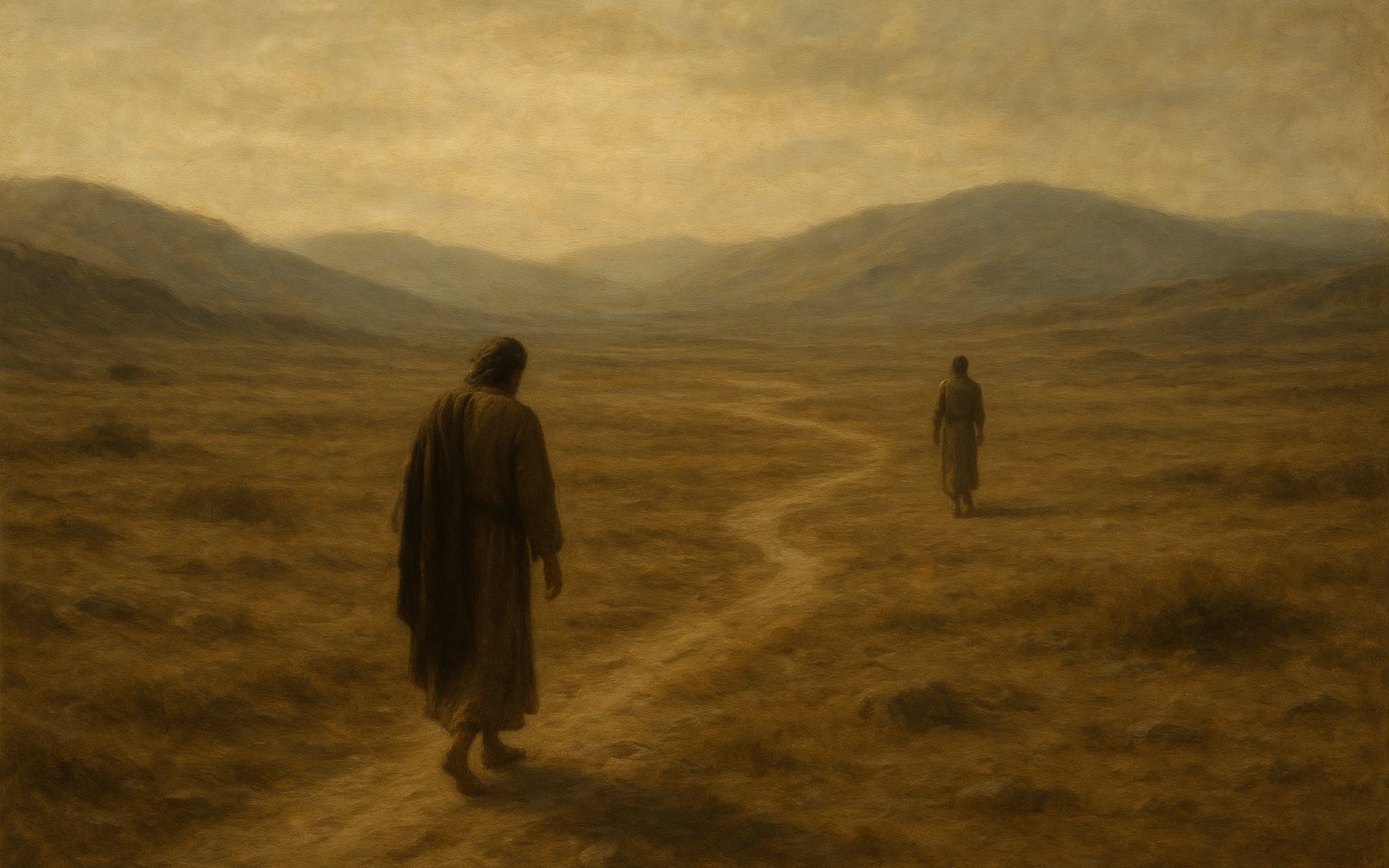
The premise
We have changed almost everything except ourselves.
Envy. Fear. Status. Power. Betrayal. Courage. Self-deception. Suffering. Forgiveness. Responsibility.
The technology changed, the institutions changed, the vocabulary changed. What a person does when someone else gets what they wanted did not. That is why a text this old can still read like an account of last week - and why you do not have to settle the question of who wrote it to find the behavior in it recognizable.
How a story is read
Every story moves the same four ways.
The structure is fixed so the interpretation has to earn its place. You always see what the text says before you see what anyone claims it means.
Movement I. The story
What the text says happened, before anyone tells you what it means.
Movement II. The pattern
What may be happening underneath the events, with each reading marked for how firmly the text supports it.
Movement III. The mirror
Where the story stops being about them and starts being about you.
Movement IV. What remains
The tension the story refuses to resolve, and the question it leaves with you.
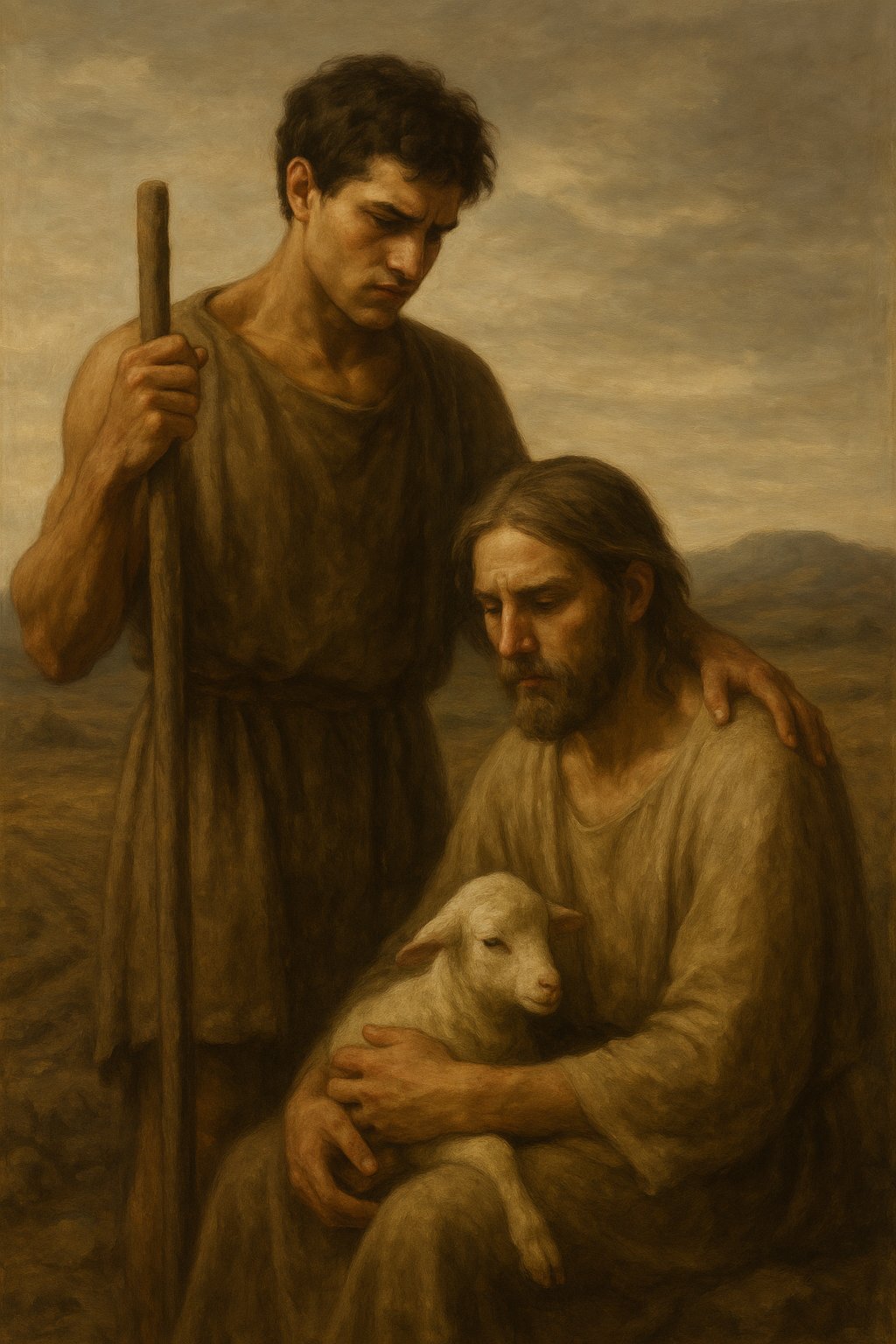
Start here
Cain & Abel
What happens when someone else's success starts to feel like evidence of your own failure?
What the text says
Abel's offering is accepted.
becomes
Another person's success can become painful when we experience it as evidence of our own inadequacy.
The mirror
We usually know which character we think we are.
The more interesting question is whether the story agrees.
Different problems
Choose the struggle before the story.
Three that have almost nothing in common except the person reading them.
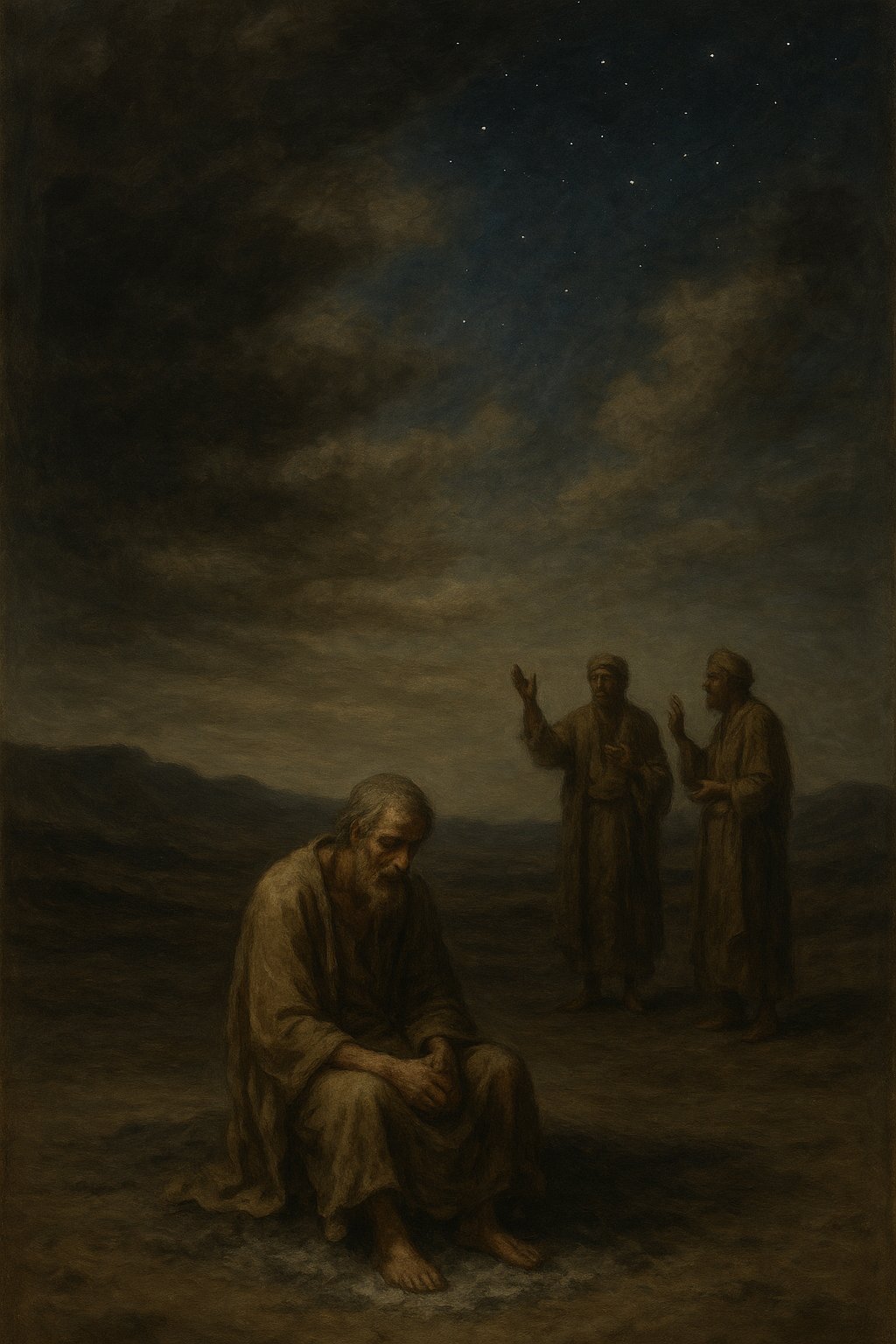 Pride and sufferingJob's Friends Explain His SufferingJob 4-37Why are people so uncomfortable admitting they do not know why something happened?
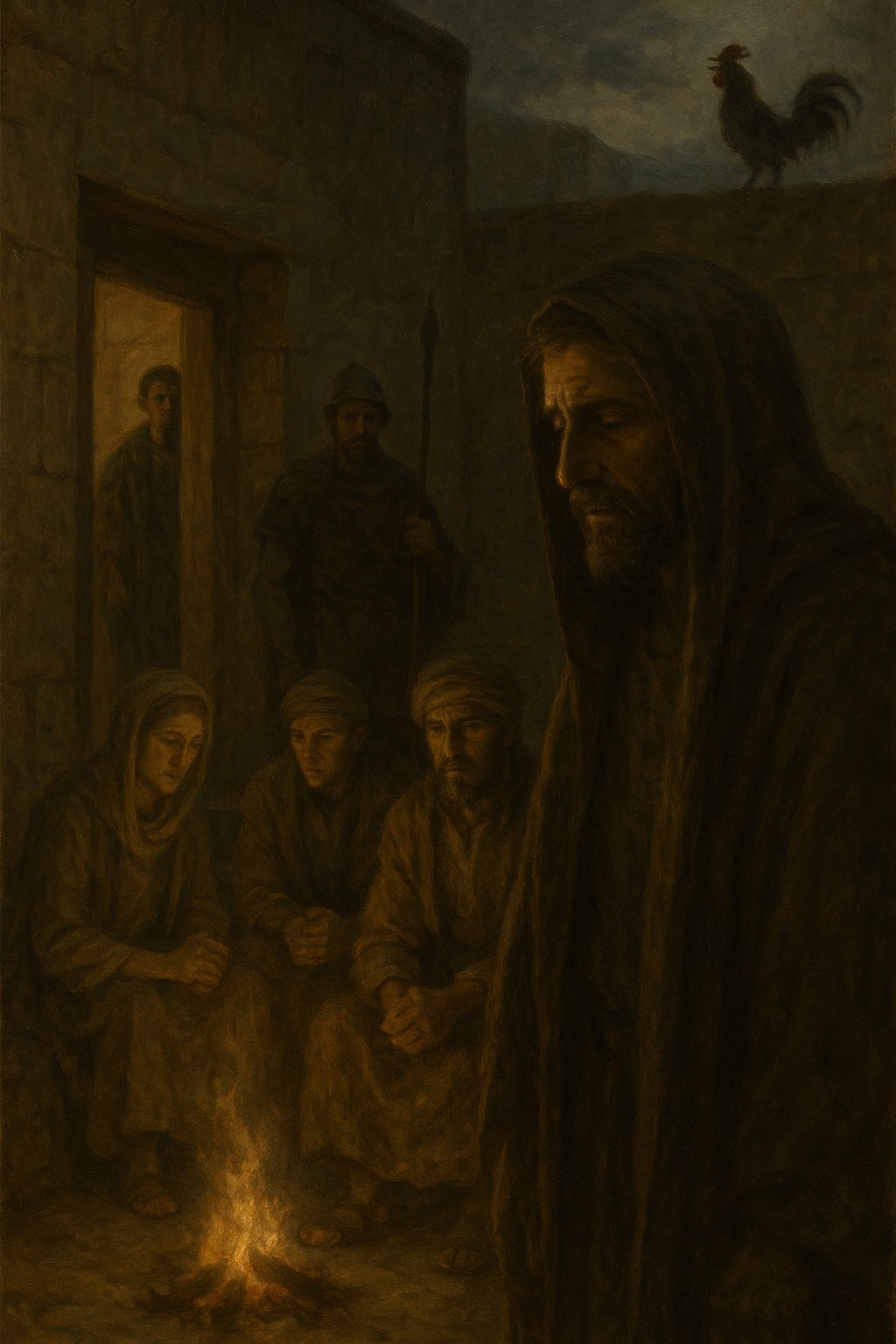 Courage and fearPeter's DenialLuke 22How much do we really know about our courage until we are genuinely afraid?
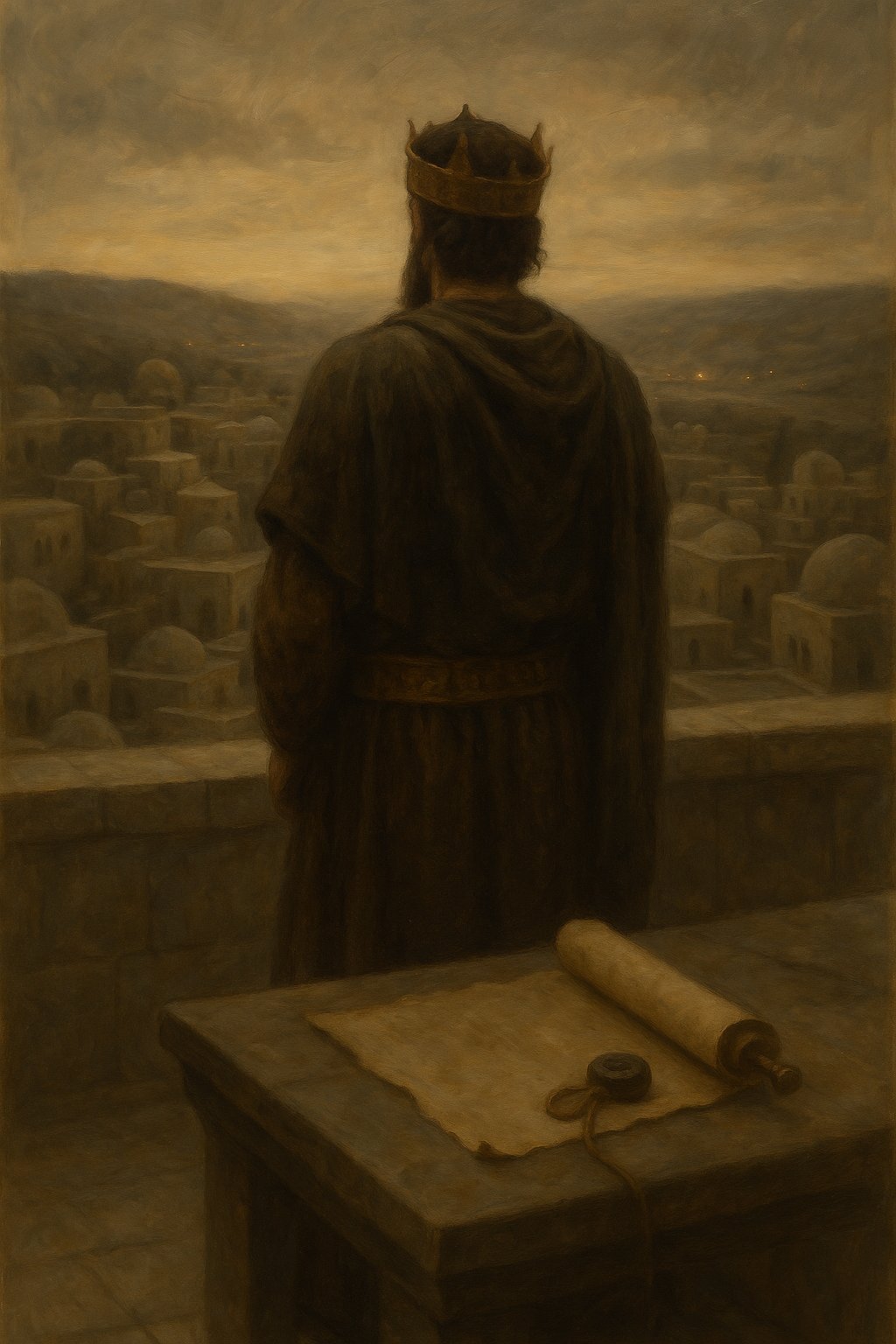 Power and responsibilityDavid & Bathsheba2 Samuel 11What happens when power removes the ordinary consequences that restrain our impulses?
One lens. Not the only one.
This is not an argument for or against religion. A psychological reading sits alongside the theological one rather than replacing it, and every claim about what is happening underneath the events is marked for how firmly the text actually supports it.
Where a story refuses to resolve, it is left unresolved. Nobody here has decoded anything.
More about the project